The fire department saved your house — now what? Board-up, pack-out, soot, odor, rebuild: the order of operations that brings a fire-damaged home back.
Secure the property first
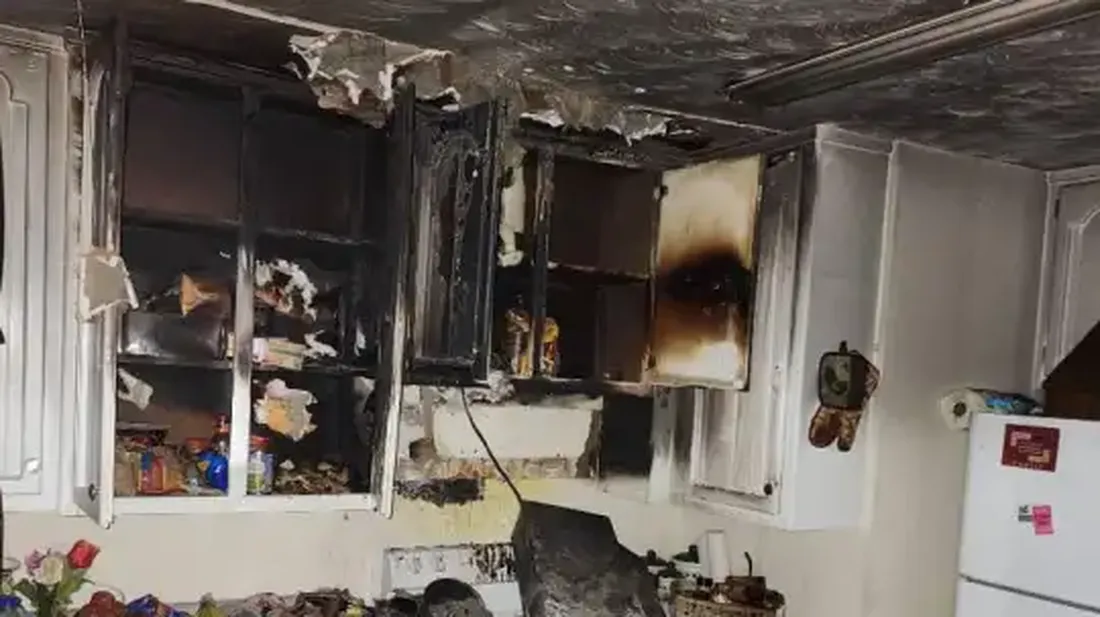
Once the fire department releases the scene, the house is open — to weather, to animals, to anyone passing by — through broken windows, burned doors and roof openings. Board-up and tarping come first, usually the same day, both to protect what's left and because your insurance policy expects reasonable steps to prevent further damage. This is also when your restoration assessment happens: fire, heat, smoke and water damage mapped together, because they're always together.
Your belongings: pack-out and honest documentation
Salvageable contents are inventoried, packed and taken for professional cleaning and safe storage — furniture, clothing, electronics and keepsakes all have specialized cleaning paths, and smoke-damaged items respond far better to prompt professional treatment than to waiting. Items that can't be saved are documented in detail for your claim. Nothing disappears without a record.
This step surprises people the most: how much can be saved. Soot and odor that seem permanent in the first walkthrough often clean completely with the right methods — and how much is saved depends heavily on starting early, before soot's acidity etches into surfaces.
Smoke, soot and the water nobody thinks about
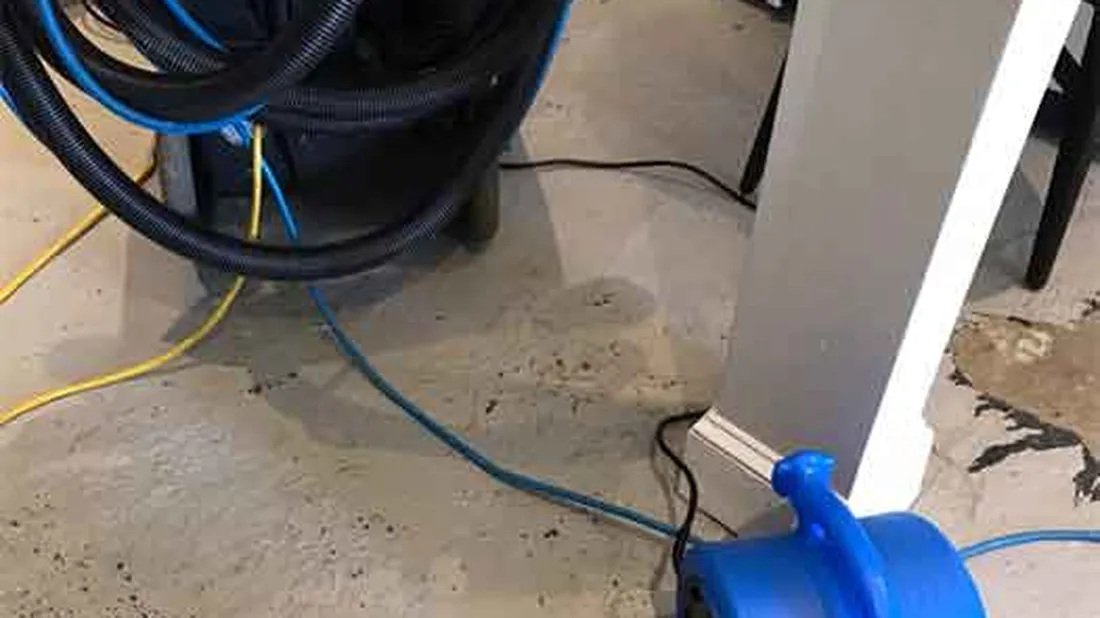
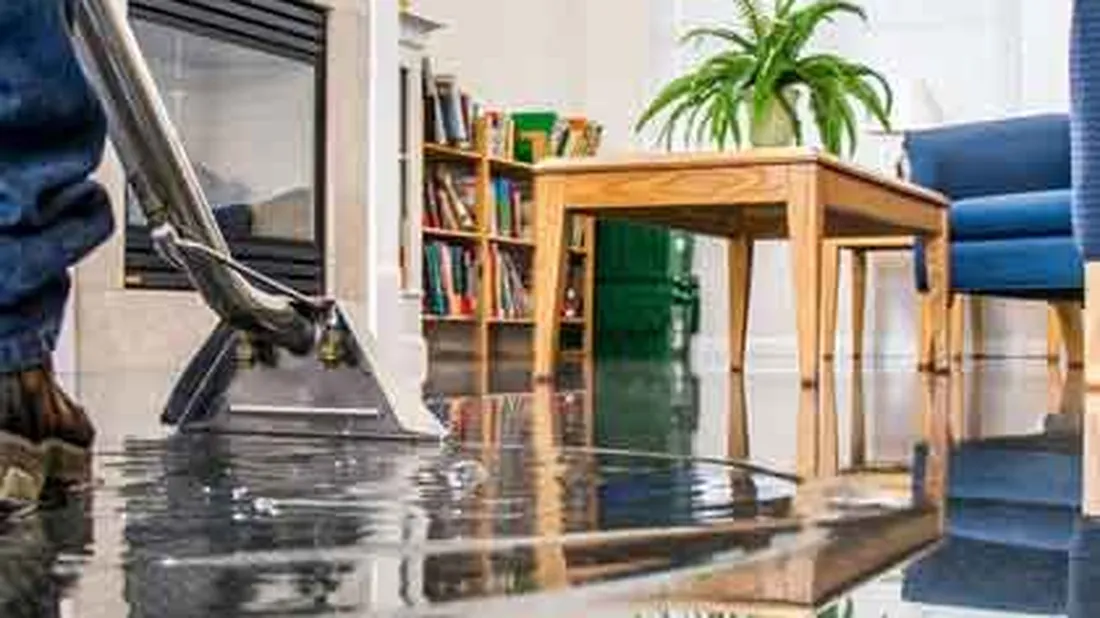
Smoke traveled everywhere the air did, so cleaning is whole-structure: soot removal from surfaces, air scrubbing during the work, and deodorization that eliminates odor at its source rather than covering it. Meanwhile, the thousands of gallons used to fight the fire have soaked floors, walls and belongings — extraction and structural drying run alongside the fire cleanup to stop a mold problem from moving in behind the fire problem.
HVAC systems get attention too: ducts that distributed smoke through the house are cleaned before the system runs again, or the odor returns with the first heating cycle.
Repair, rebuild, and the smell of home
The final phase is construction: damaged structure repaired, drywall, flooring and paint restored, and severely damaged rooms fully reconstructed — the goal being pre-fire condition, verified in a final walkthrough with you. Timelines vary honestly with the loss: a contained kitchen fire's cleanup is measured in days, while structural rebuilds take longer, and your assessment sets expectations before work starts.
If you're reading this in the first hard days after a fire: the process works, homes come back from this every week in Maryland, and one call to (855) 809-6899 starts every step above.
Need This Handled?This guide covers Fire Damage Restoration — the service behind this article. Free assessments, 24/7 response across Maryland: (855) 809-6899 or read about the service.
Water Damage Can't Wait — Neither Should You
Every hour of standing water means more damage and a bigger repair. Request your free assessment online and we'll call you back to confirm — or call now and a coordinator will dispatch a crew.